
Outlander Filming Locations in Scotland
Scotland has always drawn people in with its history and its landscapes. What Outlander has done, more than almost any other show, is give that landscape a story people already know by heart before they ever set foot on it.
That’s the thing about these locations, they’re not sets built for the camera. Doune Castle’s great hall, Blackness’s cold stone ramparts, Culross’s cobbled streets: these are real, working pieces of Scottish history that a television crew simply pointed a camera at, because they didn’t need to build anything better. The Outlander filming locations in Scotland split naturally into two groups — a tight, atmospheric cluster in Central Scotland, and a handful further north where the story meets the full drama of the Highlands.
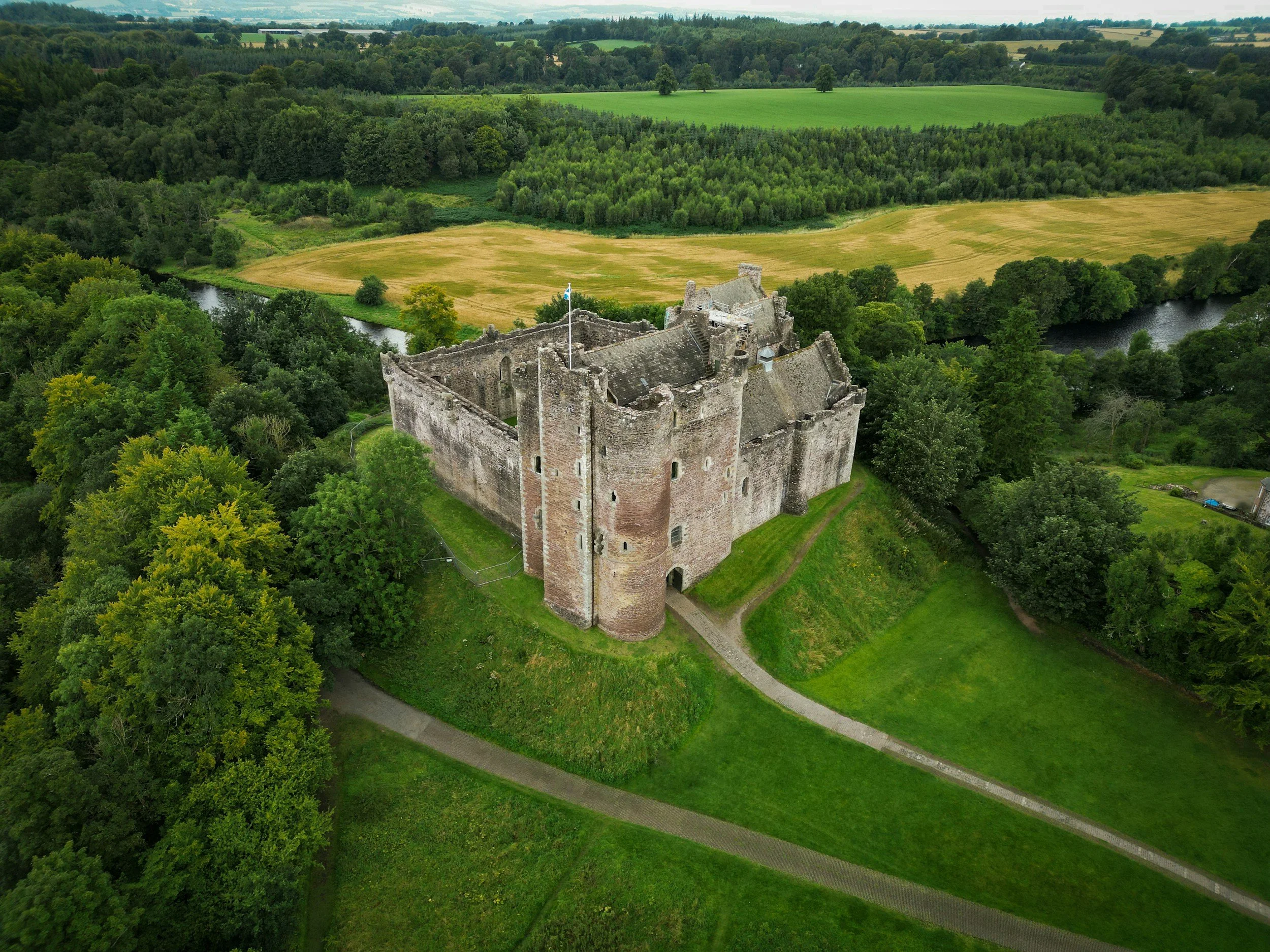
Doune Castle, 14th-century stronghold that plays the ancestral seat of a Highland clan in the series.
Here’s how the route breaks down, why each stop is worth the visit, and what to consider when booking a group between them.
The Central Scotland loop
Four sites sit within easy reach of Edinburgh and of each other, making them a natural single-day route and between them, they cover a remarkable stretch of the story.
Doune Castle, near Stirling, is a remarkably intact 14th-century stronghold that plays Castle Leoch, the ancestral seat of Clan MacKenzie in the series. Stand in the great hall and it’s not hard to picture the gathering scenes it’s known for. An extra treat for fans is the site's audio guide, narrated by Jamie Fraser himself (Sam Heughan). The castle has a long screen history beyond Outlander too (it appeared in Monty Python and the Holy Grail decades earlier), and its hall, courtyard and battlements are all open to visitors today.
Midhope Castle, on the Hopetoun Estate near South Queensferry, is smaller and far more atmospheric — a ruined tower house that becomes Lallybroch, Jamie's beloved family home in the story. Visitors can’t go inside, but the courtyard and the castle’s weathered exterior are exactly as seen on screen, front steps included, and it’s become one of the most photographed spots on the entire route for good reason.
Blackness Castle, on the Firth of Forth, is a striking 15th-century fortress built in the shape of a ship — and it plays a much darker role in the series as Fort William, the feared garrison headquarters of Black Jack Randall. Walking its ramparts and cells, including the courtyard where Jamie's brutal flogging took place, with the Forth stretching out grey and cold behind you, it’s easy to feel exactly the sense of dread the show was going for.
Culross, a preserved 16th- and 17th-century village in Fife, needs almost no alteration to look the part on screen, serving as Geillis Duncan's village of Cranesmuir. Its cobbled streets, ochre-harled houses and mercat cross have barely changed in centuries. Behind the historic Culross Palace, you'll also find the manicured grounds used for Claire's Castle Leoch herb garden. Walking through it feels less like a filming location and more like stepping directly into the past, which is exactly why directors keep coming back.
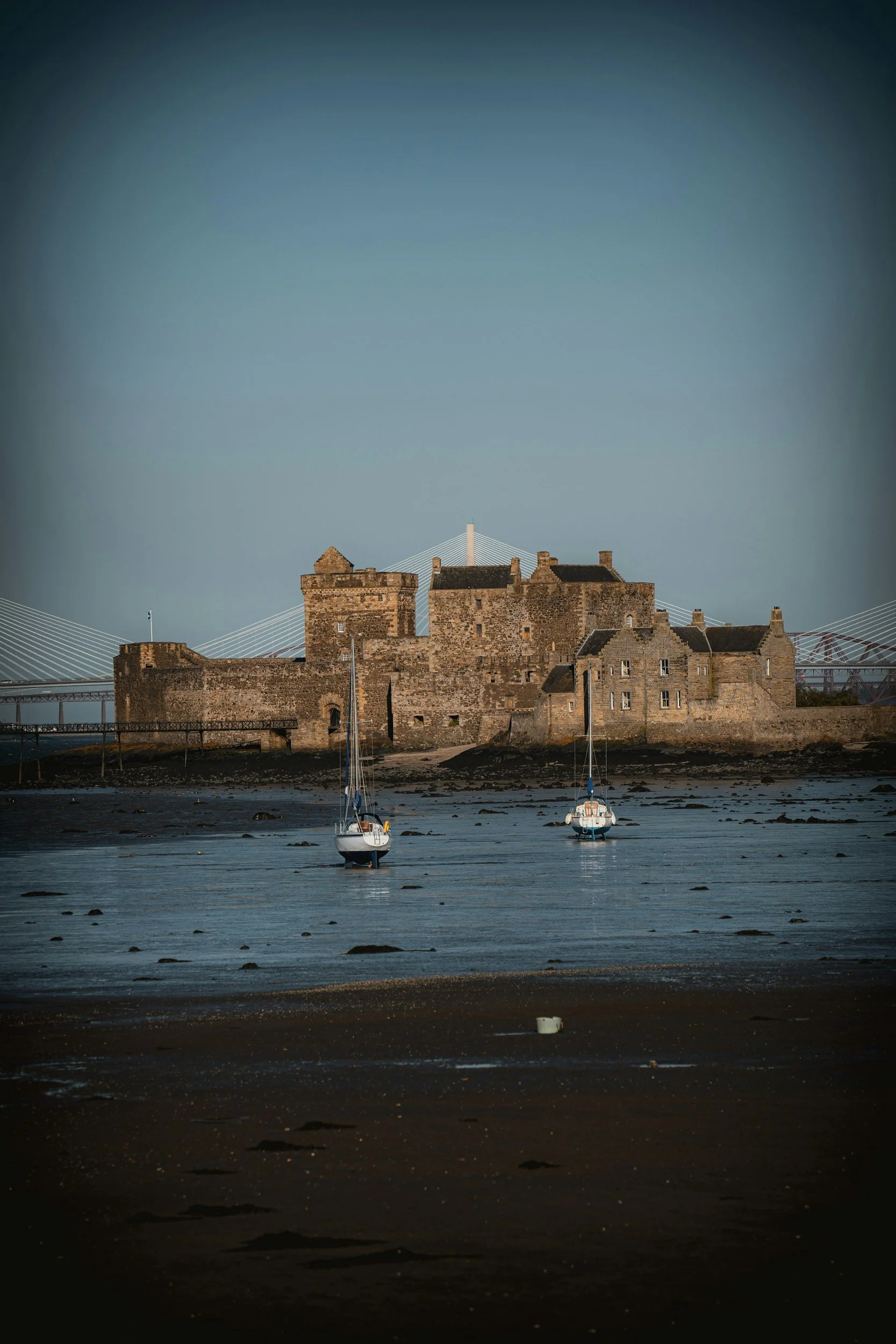
Blackness Castle, on the Firth of Forth, is a striking 15th-century fortress built in the shape of a ship
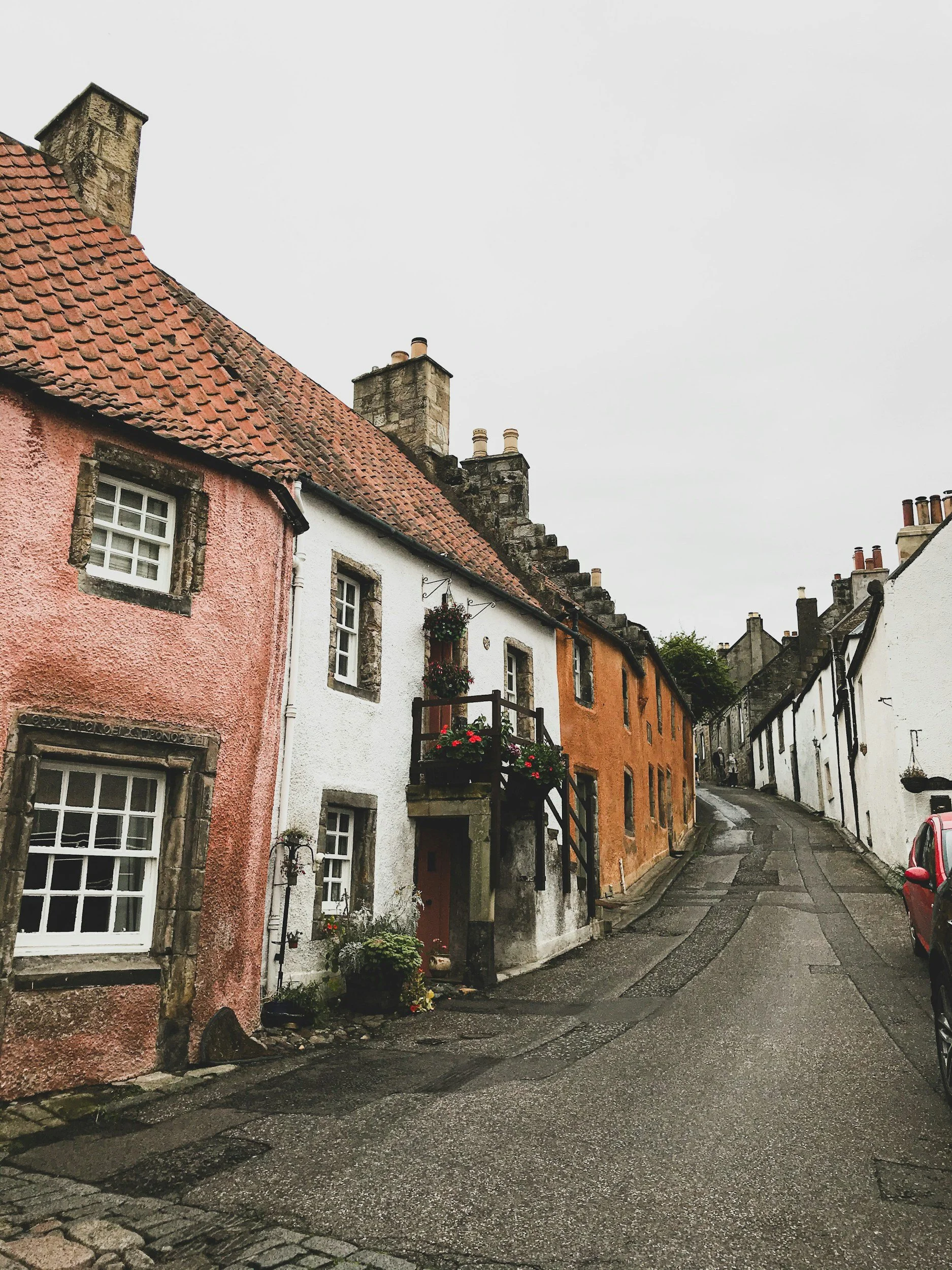
Culross, a preserved 16th- and 17th-century village in Fife.
Group Planner Tip: All four are on good roads and within a single day's drive. While the loop is highly accessible, Midhope Castle (Lallybroch) has a narrow access lane and requires pre-booked vehicle permits. If you are organizing a large group or hiring a full-sized coach, ensure you coordinate with the Hopetoun Estate well in advance.
The Highlands add-on
For itineraries with more time, three further locations extend the story north and add the full weight of the Highland landscape to the experience.
Culloden, Culloden, just outside Inverness, isn’t a filming location but is essential to the story regardless — the moor where the Jacobite cause fell in under an hour in 1746, and where much of the emotional weight of the series is rooted. This shadow hangs over the first two seasons and marks the site of Jamie and Claire's heartbreaking separation. It’s a sobering, beautifully presented site rather than a photo stop, and it deserves time, not a rushed pass-through. Be sure to walk the battlefield trail to the real Clan Fraser marker, where fans still leave tributes to the fallen.
Clava Cairns, close by, is a genuine Bronze Age burial site — around 4,000 years old — and one of several real stone circles that inspired the show’s fictional standing stones. Though the series was filmed further south, Diana Gabaldon used this exact site as inspiration, and you will instantly recognise a massive split stone that mirrors the time-travel portal Claire touches. Quiet, ancient and slightly eerie even on a bright day, it pairs naturally with a Culloden visit and gives guests a real sense of the folklore and solar alignments the story draws on.
Glencoe needs no introduction for anyone who’s seen the show’s opening credits. The soaring peaks of the Three Sisters dominate that iconic Season 1 title sequence, instantly setting the mood for the entire saga. Scotland’s most dramatic valley — all soaring rock and shifting weather — is a constant presence throughout the series. Steeped in a dark history of clan betrayal, it’s the kind of landscape that makes it clear why this story could only have been set here.
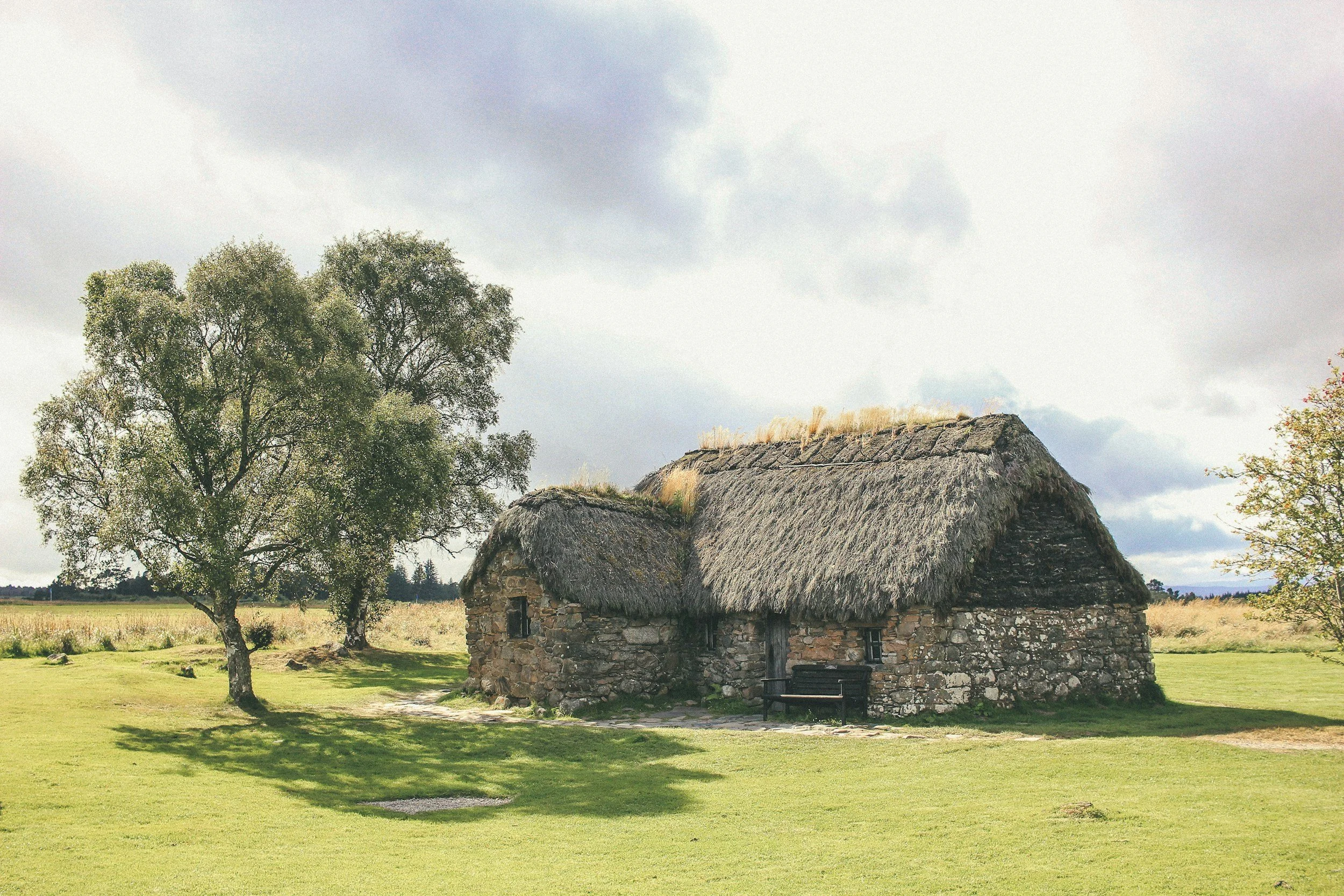
Culloden, Outlander battlefield location.
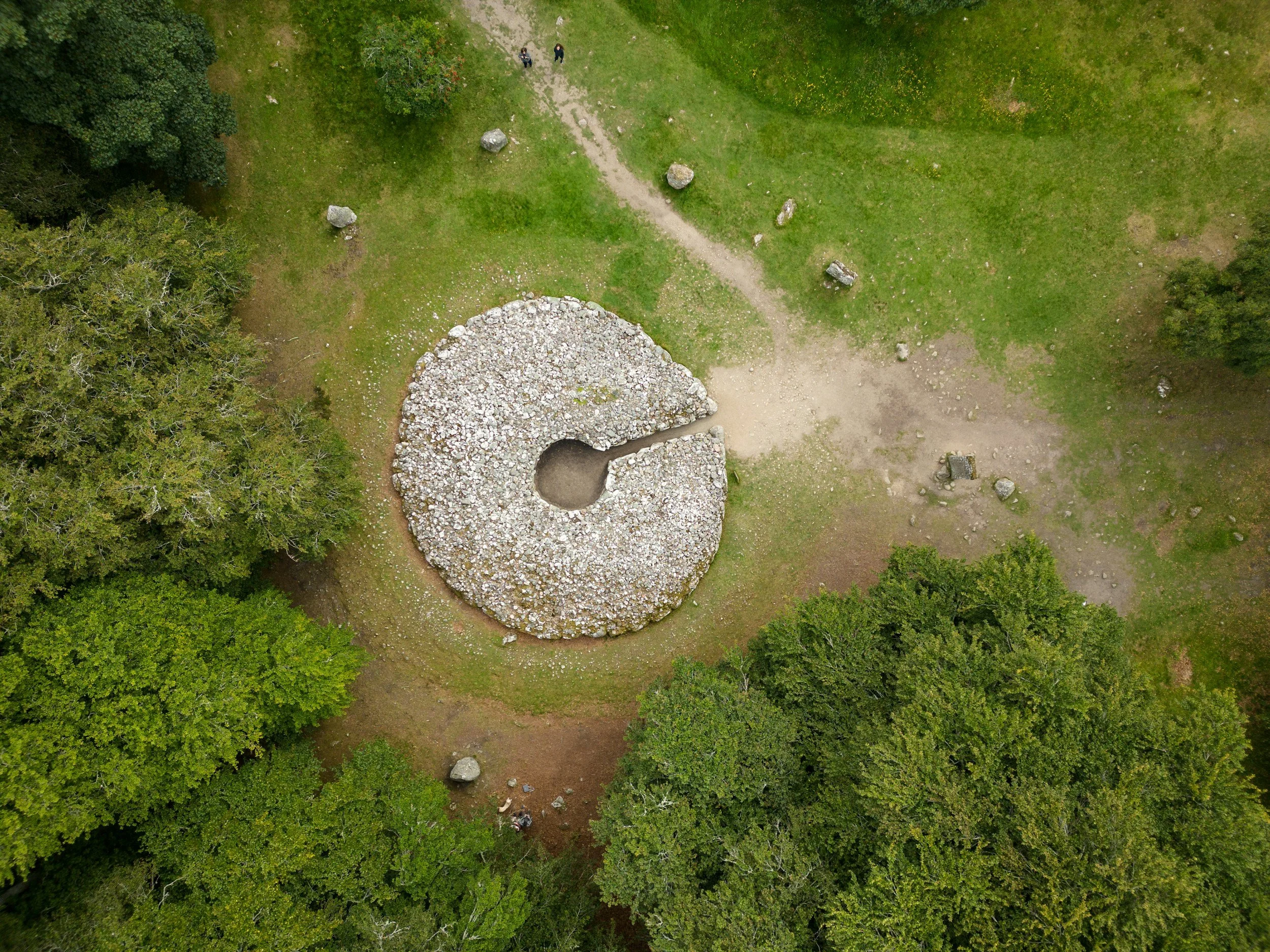
Clava Cairns, a genuine Bronze Age burial site.
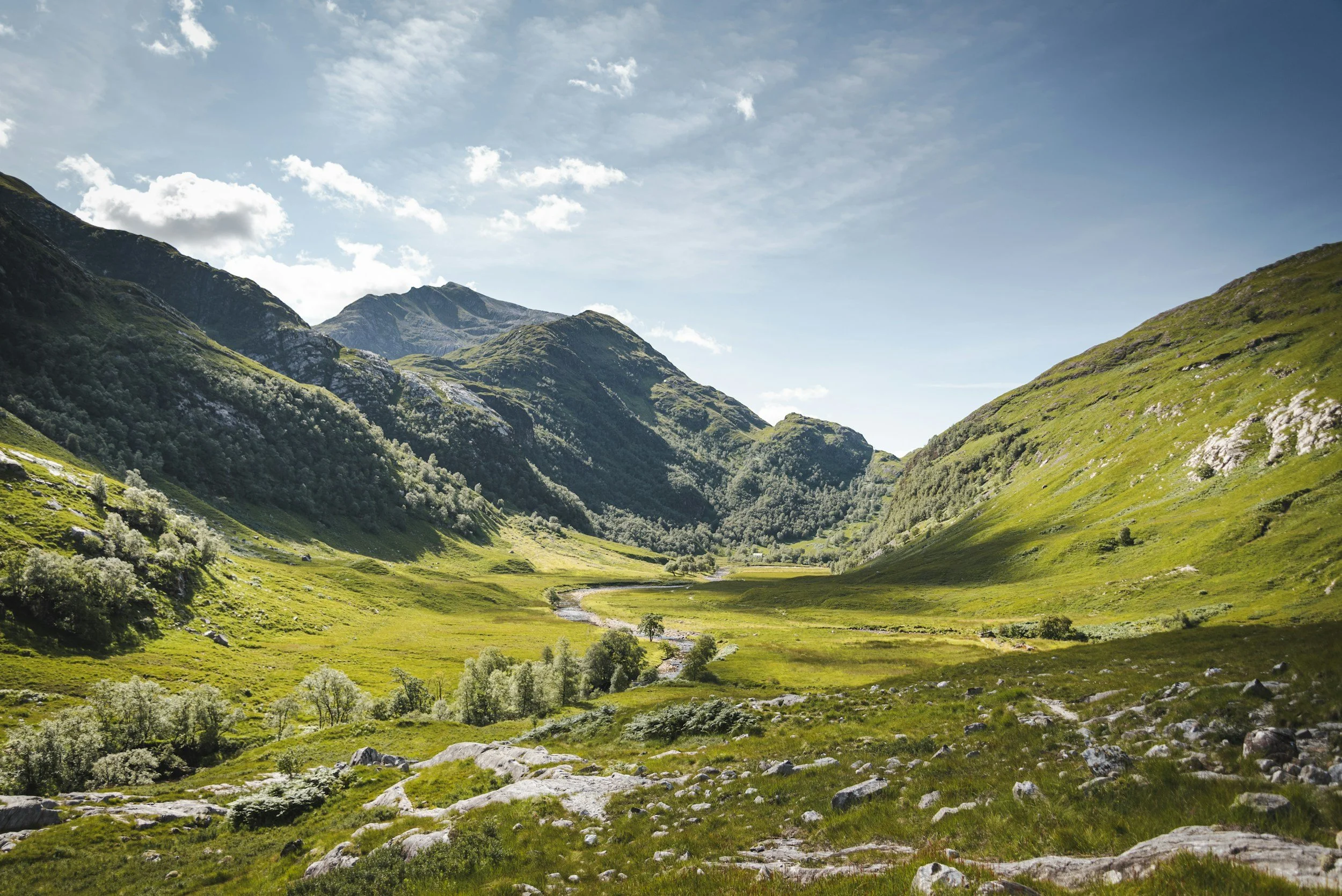
Glencoe, Scotland’s most dramatic valley.
Getting a group there with Anderson Black Executive Travel
The Central Scotland loop works well as a full-day route. The distances are manageable, but each stop deserves proper time, so realistic timings matter more than trying to cover ground quickly.
The Highlands are better treated as a separate day, or paired with an overnight, giving you time for Culloden and Clava Cairns without rushing the longer drive north.
With more than 20 years’ experience on Scotland’s roads, our drivers know these routes, the practicalities around each stop and how to keep a multi-stop day running to schedule. Our executive vehicles carry groups of up to 29 in comfort, with plenty of space for longer touring days.